
Explore Japan
Discover restaurants, cafes, stays and experiences
34 places
Akafuji no Ashiyu (Red Fuji Footbath)
赤富士の足湯
Onsen · Footbath (ashiyu)
Akafuji no Ashiyu — the "Red Fuji" footbath — is a small, seasonal foot-soak spot in the Kamiyoshida-higashi area of Fujiyoshida, on the Mt. Fuji side of town. It's a clothed, feet-only ashiyu, the kind of low-key stop you drop into to rest tired feet rather than a destination in itself. Honest caveat: there's very little published about it — a single online review, no listed hours or fee, and a note that it's closed through winter and usable only in the warmer months. So treat it as a warm-season "if you're passing" stop, bring a small towel, and confirm it's open before going out of your way
View onsen →Asahigaoka Bus Terminal
旭日丘バスターミナル・森の駅 旭日丘
Transport · Bus terminal
Asahigaoka Bus Terminal — reopened in 2006 as "Mori no Eki" (Forest Station) — is the main bus hub on Lake Yamanaka's Asahigaoka shore, and the most useful single transit node in the area. Highway buses run here from Busta Shinjuku, Tokyo Station and beyond, while local Fujikyu route buses link it to Fujisan Station, Kawaguchiko and Gotemba — passing Oshino Hakkai on the way — and the Fujikko sightseeing bus loops the lake from out front. It's also where the Kaba amphibious bus launches. Upstairs is the ticket counter and waiting room; downstairs is a souvenir shop and rest stop, with lake vie
View transport →Benifuji no Yu
山中湖温泉 紅富士の湯
Onsen · Day-use onsen
A big, well-loved day-use onsen on the shore of Lake Yamanaka, with natural hot-spring water and a wall of glass — plus an open-air bath — framing Mt. Fuji. Soak through a row of indoor tubs (jet, bubble, lying and a lukewarm source bath), a sauna with a cold plunge, and the signature rotenburo looking straight at the mountain, then head upstairs for hoto noodles and Shingen soft serve. Towels and in-house wear are sold on site, so you can turn up empty-handed. It's a relaxing, tourist-friendly stop — especially after climbing Fuji — with two important caveats: it's closed Mondays and Tuesdays
View onsen →Chūreitō Pagoda (Arakurayama Sengen Park)
忠霊塔(新倉山浅間公園)
Attraction · Pagoda & viewpoint
Chūreitō Pagoda is the photo you've seen on a hundred Japan posters: a vermilion five-storey pagoda, cherry blossoms, and Mt. Fuji rising perfectly behind, all in one frame. It sits in Arakurayama Sengen Park above Fujiyoshida, reached by a stiff climb of around 398 steps (there's a gentler bypass path) to a viewing deck above the pagoda — the exact spot the iconic shot is taken. It's free and open any time, and stunning in mid-April when the park's cherry trees bloom, or in autumn under red leaves. The catch is its fame: by mid-morning in season the platform is shoulder-to-shoulder and you'll
View attraction →
Climbing Mt. Fuji — Yoshida Trail
富士登山 吉田ルート
Experience · Mt. Fuji climb (Yoshida Trail)
Climbing Mt. Fuji by the Yoshida Trail is the classic ascent of Japan's highest mountain (3,776m) — the most popular route, the best supplied with mountain huts, and the easiest to reach from the Fuji Five Lakes and Tokyo. It starts at the Subaru Line 5th Station (~2,300m), climbs 5–7 hours to the summit, and uses a separate gravel trail for the 3–5 hour descent; most people break the climb over two days, sleeping at a 7th- or 8th-station hut and pushing for the summit before dawn to catch the sunrise (goraikō). It's not a technical climb, but the altitude makes it genuinely demanding. Crucial
View experience →Curves Fujiyoshida (Shimoyoshida)
カーブス 富士吉田
Service · Gym / fitness (women-only)
Curves Fujiyoshida is a branch of the women-only circuit-training chain, in the Shimoyoshida-higashi part of town. It runs on the usual Curves model — a short, coached 30-minute circuit on a monthly membership — and its members are overwhelmingly local residents. For an English-speaking traveler it's a poor fit: it's women-only, members-only with no day passes or drop-ins, and run entirely in Japanese. If you're visiting and want to train, you'll be far better served by a day-pass gym, a public sports center, or a hotel gym. It's listed here only for completeness; it isn't a visitor amenity.
View service →ERROR: The request could not be satisfied
Service
Mirai Consulting Group (みらいコンサルティンググループ) is a Tokyo-headquartered management consulting firm founded in 1987. It provides integrated advisory covering financial and organizational consulting, HR and labor, accounting, M&A, IPO support, and cross-border 'glocal' business expansion. Operating under a proprietary Team Consulting model with branches across Japan and overseas partners, the firm serves Japanese companies going abroad and foreign companies entering Japan.

For a Beppu Day-Trip Hot Spring, Visit "Hyotan Onsen" — 100% Free-Flowing Natural Spring Water
Restaurant
Hyotan Onsen is a day-trip hot spring facility in the Kannawa district of Beppu, Oita Prefecture, opened in 1922 and the only onsen in Japan awarded three stars by the Michelin Green Guide Japan. Bathers enjoy 100% free-flowing natural spring water across a large public bath, waterfall bath, sand bath, steam bath, open-air baths, and private family baths, plus jigoku-mushi (hell-steamed) cuisine on site.
Fuji-Q Highland
富士急ハイランド
Experience · Amusement park
Fuji-Q Highland is the big thrill park at the foot of Mt. Fuji, famous worldwide for a handful of record-breaking roller coasters — Fujiyama, the 4D spinning Eejanaika, Takabisha with its beyond-vertical 121° drop, and the newer launch coaster Zokkon — all ridden with the mountain itself looming behind. Entry is free; you either pay per ride or buy a 1-Day Free Pass for unlimited rides, which pays off once you ride more than about three of the big ones (pricing is dynamic by date, so check online). Beyond the coasters there's a Ferris wheel, a notoriously long haunted-house attraction, and Tho
View experience →Hakkai Konohanakan
富士山温泉 八海木花館
Stay · Ryokan
A five-villa private onsen ryokan that opened in 2022 a few minutes from the Oshino Hakkai springs, built entirely around seclusion: each of its five units is a standalone two-storey villa with its own gated entrance, private garden, and a 24-hour semi-open-air natural hot-spring bath — no shared baths, no other guests. Seasonal creative kaiseki is served in your room, dinner and a Japanese breakfast built on local Yamanashi ingredients, and several rooms frame Mt. Fuji straight from the upstairs tatami living space. It's a quiet, splurge-level retreat aimed at couples and small groups, with t
View stay →Hannokibayashi Folklore Museum
榛の木林民俗資料館
Attraction · Folk museum
The Hannokibayashi Folklore Museum is the paid (¥300) corner of Oshino Hakkai — and one of its quietest. Built around an Edo-period thatched farmhouse from the Watanabe family, it lets you step inside a real kayabuki-roofed home, gather round the central irori hearth among old tools, pottery and textiles, and climb to a glazed attic where the massive roof timbers are exposed. The grounds also hold Sokonuki-ike, the "Bottomless Pond" and one of Oshino Hakkai's official eight, plus a large koi pond where ¥100 buys a bag of fish food. The real draw, though, is the raised viewing deck: on a clear
View attraction →Kakei Park
カケイ公園
Attraction · Park
Kakei Park is a small, quiet park just southeast of the Oshino Hakkai ponds — more of a clean rest stop than a destination, but a genuinely pleasant one. It sits on the Tōkai Nature Trail, with an open lawn to sit on, free parking and restrooms that visitors single out as unusually clean (washlets, and a baby seat even in the men's room). On a clear day there's Mt. Fuji in the background, and because almost no one knows it's here, it makes a calm alternative when the main Oshino Hakkai lane is packed with tour buses. There are no shops, so bring your own food and drink — and treat it as a good
View attraction →Kitaguchi Hongū Fuji Sengen Shrine
北口本宮冨士浅間神社
Attraction · Shinto shrine
Kitaguchi Hongū Fuji Sengen Shrine is the great historic shrine at the foot of Mt. Fuji — and one of the most atmospheric in the whole region. Approached through an avenue of towering cryptomeria, some close to a thousand years old, it opens onto a vermilion, intricately carved main hall set deep in the forest; the whole place has a hushed, ancient feel, especially on a misty early morning before the crowds. With roughly 1,900 years of history, it's also the traditional starting point of the Yoshida pilgrimage route up Mt. Fuji: the great torii here marks the trailhead where climbers once pray
View attraction →Lake Yamanaka Hōko Festival
山中湖報湖祭
Event · Summer fireworks festival
The Hōko Festival is Lake Yamanaka's big night of summer and the curtain-raiser for the whole Fuji Five Lakes fireworks season. Held every August 1 since the Taishō era, it began as a memorial and disaster-warding rite — a daytime Shinto ceremony gives thanks to the lake, and after dark around 10,000 shells go up over the water from two shore points, so you can watch from almost anywhere around the lake. Because Lake Yamanaka sits closest of the five lakes to Mt. Fuji, the payoff is fireworks bursting against the mountain's silhouette and mirrored on the still water. It's free, traditional and
View event →Mt. Fuji Subaru Line 5th Station
富士スバルライン五合目(富士山五合目)
Attraction · Mt. Fuji 5th Station (viewpoint & trailhead)
The Fuji Subaru Line 5th Station is the highest point up Mt. Fuji you can reach without climbing — about 2,300m, roughly halfway to the summit, and the busiest of the mountain's 5th stations. Most visitors come not to climb but for the experience of standing on the mountain itself: an observation deck with Fuji towering overhead and, on a clear day, a sea of clouds spread out below, plus shops and restaurants selling souvenirs, Fuji-themed food and cans of oxygen, and the small Komitake Shrine. A short lava-field stroll on the O-chūdō trail is free and scenic. It's also the trailhead for the Y
View attraction →Nakaike Pond
中池
Attraction · Spring pond (viewpoint)
Naka-ike — the "Middle Pond" — is the deep, vividly blue pool at the heart of Oshino Hakkai, and the image most people picture when they think of the springs. Fed by the same Mt. Fuji snowmelt, its water is so clear you can see straight to the bottom, with koi drifting among swaying water plants and, on a still morning, Mt. Fuji mirrored on the surface. It sits right by the Ikemoto souvenir shop amid food stalls and free spring-water tasting, which makes it lively — but also the most crowded spot in the village. One honest note: as striking as it is, Naka-ike is actually man-made and not one o
View attraction →Nakanoya-tei
忍野八海 中の家亭
Yamanashi
A calm, traditional washoku restaurant a one-minute walk from the Oshino Hakkai springs, with Mt. Fuji views and English-speaking service. Lunch centres on beautifully presented set meals (gozen) — beef or pork shabu-shabu, a seafood hot pot, grilled eel, or the signature Mt. Fuji clay-plate grill — each laid out with sashimi, seasonal small dishes, fruit and a little udon. There are simpler teishoku sets too (tonkatsu, hamburg steak, tempura noodles, Yamanashi's hoto hotpot), genuine vegetarian options, and splurge dishes like A5 Hida wagyu. Groups are welcome, parking is available, and you can reserve by phone, LINE, WhatsApp or WeChat.
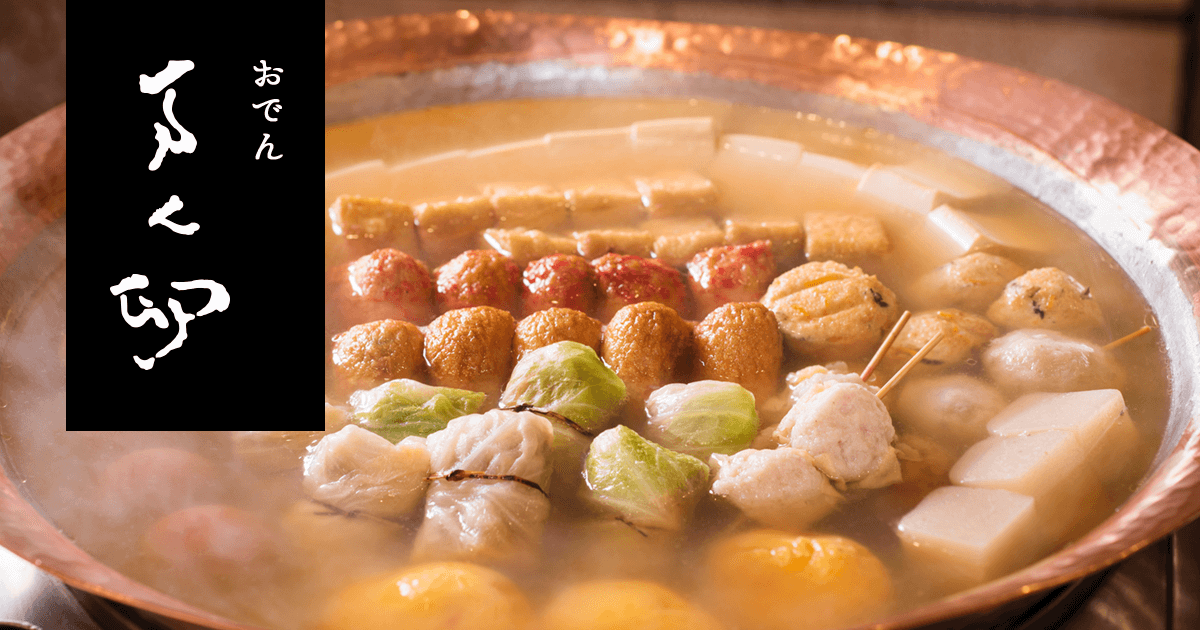
Oden "Man'u" — Tokyo Garden Terrace Kioicho
Restaurant
Oden "Man'u" at Tokyo Garden Terrace Kioicho is a refined kappo-style oden restaurant on the 3rd floor of Kioi Terrace in Chiyoda, Tokyo. The Tokyo outpost of the Michelin-starred Kitashinchi (Osaka) original, it serves oden simmered with kaiseki techniques alongside à la carte dishes, rare whale specialties, Sanda-beef sukiyaki, and a curated lineup of regional Japanese sake and wine.
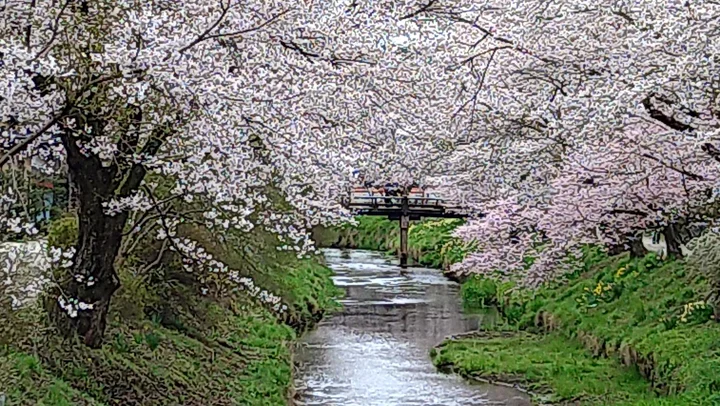
Omiya Bridge
お宮橋
Attraction · Viewpoint (cherry blossoms)
Omiya Bridge is the picture you've probably already seen of Oshino: a simple bridge over the clear Shin-nasho River, cherry blossoms lining both banks, and Mt. Fuji rising straight ahead. For a week or two around mid-April it's one of the most photogenic spots in the whole Fuji area — blossoms, daffodils and the mountain all in one frame, doubled in the still water on a calm morning. It's free and open any time, a short walk from the Oshino Hakkai ponds, but its fame is also its catch: by mid-morning in season it's shoulder-to-shoulder, with security guards managing the crowds. Come at sunrise
View attraction →Oshino Hakkai
忍野八海
Restaurant · Natural site · spring-fed ponds
Oshino Hakkai — the "Eight Seas of Oshino" — is a cluster of eight spring-fed ponds at the foot of Mt. Fuji, filled by snowmelt that has filtered through volcanic rock for decades and emerges astonishingly clear and cold. The ponds drew Mt. Fuji pilgrims for centuries and are now a National Natural Monument and part of the mountain's UNESCO World Heritage listing. Around the central ponds sits a small, postcard-pretty village of thatched roofs, souvenir shops and food stalls — grilled fish, mochi, spring-water coffee — while the deepest pond, Waku-ike, glows a famous deep blue. It's free, fami
View restaurant →Oshino Hakkai Main Souvenir Store
忍野八海 池本売店
Shopping · Souvenir shop
The Oshino Hakkai Main Souvenir Store is the central souvenir-and-snack shop at the ponds, right by the vivid blue Middle Pond and an easy stop as you walk the village. It's two things at once: a street-food counter for warm kusa-mochi (herbal grass mochi with red bean), freshly grilled fish cakes and Muscat-grape soft serve, and a souvenir shop stacked with Yamanashi sweets and small gifts. There's also a spring-water fill station, where you can buy a bottle (about ¥150) and top it with Oshino's famous snowmelt water straight from the source. It opens early — around 7 AM — so it's a good firs
View shopping →Oshino Seimenjo
おしの製麺所
Restaurant
Yamanashi
A local noodle maker (seimenjo) right beside the Oshino Hakkai springs, with a postcard view of Mt. Fuji. This is a shop, not a restaurant — you don't eat in; you buy fresh, hand-made udon, soba and (when available) hiyamugi noodles boxed by the kilo to cook at home, plus the shop's own fiery shichimi spice. The noodles are firm and chewy, the soba made from local buckwheat, and a box makes an excellent, inexpensive souvenir. Friendly and well loved by locals — an easy stop on the way to or from the springs.
Oshino Shinobi no Sato
忍野しのびの里
Experience · Ninja theme village
Oshino Shinobi no Sato — the "Ninja Village" of Oshino — is a ninja-themed park a few minutes from the Oshino Hakkai ponds, built for hands-on fun with Mt. Fuji as the backdrop. A single "passage" ticket gets you the headline ninja stage show (action-packed enough to follow without any Japanese), a karakuri trick house of hidden doors and sloping floors, and a seven-stage ninja athletic course. Pay a little extra to throw real shuriken — there's a prize if you hit the target — rent a costume for the day, or sign the kids up for a ninjutsu lesson. Round it off in the Fuji-view Japanese garden w
View experience →Oshino Village Tourist Information Center
忍野村観光案内所
Service · Tourist info
The Oshino Village Tourist Information Center is the village's main information point, a few minutes' walk from the Oshino Hakkai ponds and the natural first stop for getting your bearings. Staff hand out area maps, point you to the ponds, food stalls and bus stops, and sell the Oshino Hakkai nine-pond stamp set (¥200) — a nice, cheap keepsake of the walk. English is limited but they're well used to international visitors, and they'll help if you get separated from a tour group. It's free to use and open roughly 9:00–17:00. The one thing to sort before you arrive: Oshino is largely cash-only,
View service →Shinobi no Sato Footbath
忍野しのびの里 足湯
Onsen · Footbath (ashiyu)
The Shinobi no Sato Footbath is the warm ashiyu in the Japanese garden at Oshino Shinobi no Sato, the ninja village beside Oshino Hakkai. It's a clothed, feet-only soak — no onsen etiquette, no undressing, no tattoo rules — set where the garden frames Mt. Fuji on a clear day, and it makes an easy breather between the ninja show, the trick house and the athletic course. The footbath itself is free to use, but it sits inside the village grounds, so you'll need village admission to reach it. Bring a small towel for your feet, go on a clear day for the view, and check the village's current opening
View onsen →![Teien Saryo Yamanakako — A Hidden Inn with a Four-Season Garden [Official Site]](https://www.teiensaryo.com/f-index/intro_photo01.webp)
Teien Saryo Yamanakako — A Hidden Inn with a Four-Season Garden [Official Site]
Restaurant
Teien Saryo Yamanakako is a small, family-run hidden ryokan in Yamanakako Village, Yamanashi Prefecture, set about a 5-minute walk from Lake Yamanaka near Mt. Fuji. Every tatami guest room overlooks a four-season Japanese garden with a koi pond fed by Mt. Fuji spring water. The inn is known for creative seasonal kaiseki dinners, a hearty Japanese breakfast, an indoor public bath, and attentive hospitality from the resident family and chef.
WATER CRAB
山中湖 ウォータークラブ
Experience · Canoe, kayak & SUP operator
Yamanashi
WATER CRAB is a small, friendly paddling operator on the quiet east shore of Lake Yamanaka, built around getting complete beginners out onto the water with Mt. Fuji behind them. The signature program uses a rock-stable inflatable canoe — children from age 4 can join — with an instructor staying alongside for a short lesson and then an easy, low-effort glide across the lake. Life jackets are provided (and washed after every use), you can turn up empty-handed, and sessions run even in light rain. SUP joins the menu in summer; in winter the same crew switches to smelt fishing. Go on a clear morni
View experience →Wafū Jinsen
食事処 和風 仁泉
Restaurant
Yamanashi
A large, easygoing washoku restaurant about five minutes by car from the Oshino Hakkai springs, serving Yamanashi home-style Japanese food — set-meal lunches, tempura and grilled-fish teishoku, sushi, and soba or udon — in famously generous portions at moderate prices. With around 160 seats across tables, a counter, and floor-seated tatami rooms (Mt. Fuji visible in the distance), it works for everyone from solo travelers to large tour groups. The restaurant is well used to international visitors and asks guests to book ahead.
View restaurant →Yakiniku Osa
焼肉 おさ
Yamanashi
A small, well-loved seared-yakiniku restaurant (aburi-yakiniku) tucked into Oshino village, a few minutes from the Oshino Hakkai springs. The signature is its remarkably thick-cut salted beef tongue — around a centimetre thick, grilled rare, and best not overcooked — alongside block-thick skirt steak, wagyu short rib, and a full spread of offal, plus Korean-style sides like kimchi, bibimbap, cold noodles and tofu jjigae. The meat quality is high and the bill runs to special-occasion territory (roughly ¥4,000–5,000 a head), but reviewers — locals and travellers alike — rate it highly for both the food and the warm, attentive service.
View restaurant →Yakitori KE-AI
焼き鳥 KE-AI
Restaurant
Tokyo
A warm, homey charcoal-grill yakitori izakaya near Oshino Village Hall, a short hop from the Oshino Hakkai springs. Skewers — chicken thigh, meatballs, pork-wrapped vegetables and the house pork BBQ — are grilled over charcoal from just ¥100, alongside izakaya plates and cold beer. It's a small, local spot run by an exceptionally welcoming English-speaking owner who'll happily put together an omakase selection; expect limited seating, charcoal smoke, and a genuinely friendly atmosphere.
View restaurant →Yanagihara Udon
柳原うどん
Restaurant
Yamanashi
A bustling, family-run Yoshida-udon shop in Oshino — the local Yamanashi style, where the noodles are deliberately firm and chewy, the broth a sweet miso-soy, and the bowls big and cheap. Have your udon with beef, tofu, cabbage and egg, season it yourself with crunchy tenkasu and the region's fiery suridane chili paste, and add the popular grilled-beef (yakiniku) set if it hasn't sold out. It's lunch only and hugely popular — over a thousand reviews and often a queue — set in a homey, no-frills room run by hardworking locals. Bring cash, come hungry, and don't expect soft udon: the firm bite is the whole point.
View restaurant →Yokokawa
居酒屋・ホルモン焼 横川
Restaurant
Yamanashi
A new horumon-yaki (grilled-offal) izakaya that opened in late 2024 in the quiet Shibokusa area right by the Oshino Hakkai springs, with Mt. Fuji views. Alongside the charcoal-grilled offal and meat that give it its name, the menu runs to tripe sashimi, Korean-style short-rib rice soups (kuppa), izakaya snacks, and a serious drinks list — premium shochu, Japanese whisky and sake. It's small, friendly and popular with locals, so it fills up fast; book ahead.
View restaurant →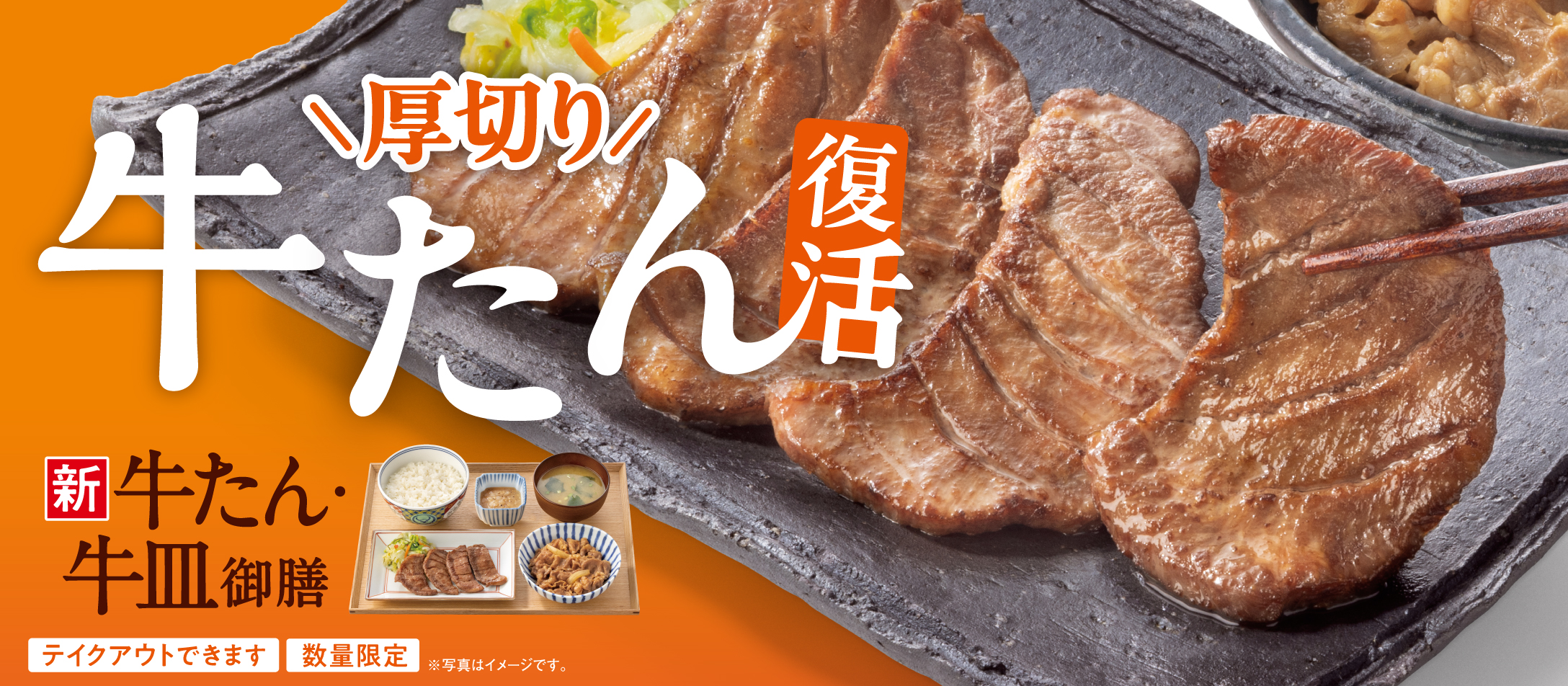
Yoshinoya Official Website
Restaurant
Yoshinoya is Japan's iconic gyudon (beef bowl) fast-food chain, founded in 1899 by Eikichi Matsuda at Tokyo's Nihonbashi fish market. Operated by Yoshinoya Co., Ltd. under Yoshinoya Holdings (TYO: 9861), it serves thinly sliced beef simmered with onions in a sweet-savory sauce over rice. The brand's motto is "tasty, low-priced, and quick," with over 1,200 domestic locations and 3,000+ outlets worldwide.
Yoshinoya Official Website
Restaurant
Yoshinoya is one of Japan's most iconic gyudon (beef bowl) chains, founded in 1899 by Eikichi Matsuda at Tokyo's Nihonbashi Fish Market. Operating under the motto 'tasty, affordable, and fast,' it serves thinly sliced beef and onions simmered in a sweet-savory soy-based sauce over rice. The official website covers the full Yoshinoya menu, store locator, news, campaigns, and part-time job listings.